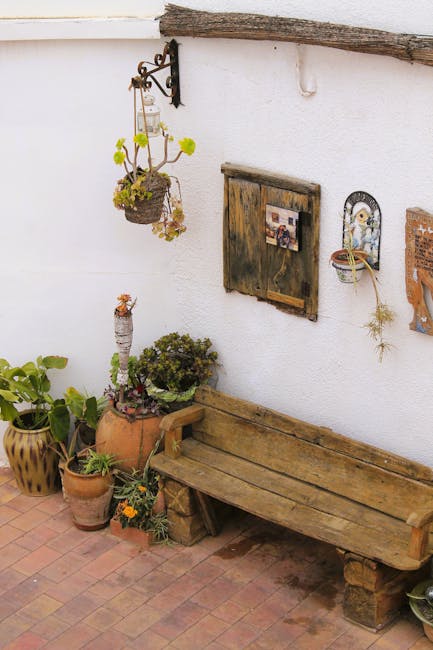
Shortlands BR2 gardeners small patio ideas
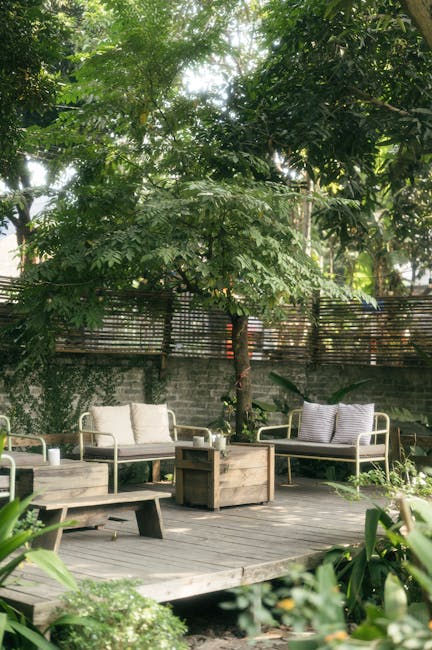
If you live in Shortlands and your patio feels a little too small for comfort, you are not alone. Plenty of homes in BR2 have compact outdoor spaces that need to work hard: somewhere to sit, somewhere to potter, somewhere that still feels calm rather than cramped. The good news? With the right planting, layout, and surface choices, shortlands br2 gardeners small patio ideas can turn even a modest corner into a proper outdoor room.
This guide is built for homeowners who want practical, local, and realistic ideas, not glossy magazine fantasy. We will look at what works in a small British patio, what tends to go wrong, and how to make decisions that suit everyday life. A tiny space can still feel inviting. In fact, sometimes the smallest patios are the ones people end up using the most.
Why Shortlands BR2 gardeners small patio ideas Matters
A small patio is more than a patch of paving. It is often the bit of the garden you see first from the kitchen, the place you take your morning tea, or the only outdoor seat that feels private enough to actually use. In Shortlands, where gardens can be compact, sloped, shaded, or just plain awkward, the design choices matter more than people expect.
Good patio ideas are not really about packing in as much as possible. They are about making the available space behave better. A cramped patio can feel cluttered, muddy, dull, or difficult to maintain. A thoughtful one can feel airy, usable, and strangely generous. That shift usually comes from a few simple principles: cleaner lines, better planting, smarter storage, and surfaces that do not fight the space.
There is also a practical side. Small patios should be easy to keep tidy, especially in a busy household. If you have a narrow side return, a tiny rear yard, or a courtyard that doubles as a utility space, design must support real life. Not just weekend dreams. A gardener with local experience will normally think about sun path, privacy, drainage, and access before suggesting anything decorative.
If you are planning broader improvements, it can help to look at the bigger picture too. Services such as services overview and landscaping can be useful when a patio is part of a fuller garden refresh rather than a standalone fix.
How Shortlands BR2 gardeners small patio ideas Works
The basic method is simple: use design choices that create the feeling of space without wasting any of it. On a small patio, every square metre needs a job. A seat should feel comfortable, planting should soften edges rather than block them, and pathways should lead naturally instead of chopping the area into bits.
Most successful small patios follow a similar pattern:
- Clear the visual clutter so the eye has somewhere to rest.
- Use one or two strong materials rather than too many competing textures.
- Introduce vertical interest with climbers, trellis, or tall pots.
- Keep furniture proportionate to the actual usable footprint.
- Build in easy maintenance so the space stays attractive after the first week.
To be fair, a lot of small patio design is really about editing. The temptation is to add another pot, another ornament, another chair. But a good Shortlands gardener will often do the opposite. Less, but better. It is a little like arranging a small room indoors; the right lamp and layout can matter more than buying more stuff.
In practice, the process usually starts with assessing how you use the patio now. Is it a morning coffee spot, a family dining area, or just somewhere to enjoy the planting outside the back door? That answer changes everything. A garden that needs children, pets, and wheelie-bin access has different priorities from a quiet courtyard for two people and a couple of herbs.
Key Benefits and Practical Advantages
When a small patio is designed well, the benefits go beyond looks. You tend to notice them day to day, in small but satisfying ways.
- More usable space: Better layout means you can sit, move, and store things without feeling boxed in.
- Less maintenance: A simpler design can reduce weeding, sweeping, and constant tidying.
- Better privacy: Screen planting, fences, and trellis can make a compact patio feel more secluded.
- Improved mood: A neat, planted, and comfortable space tends to get used more often.
- Higher perceived value: A cared-for patio often makes the whole garden feel more finished.
There is also a subtle psychological win. Small patios can feel like they are always on the edge of becoming messy. When the design is balanced, that pressure drops. You stop looking at the space and thinking, "we should do something with this." You just use it. Which, honestly, is the point.
If the patio is part of a garden that needs general tidy-up work first, garden maintenance can make a real difference before any decorative ideas are added. A clean base often changes the whole feel of the project.
Who This Is For and When It Makes Sense
Shortlands BR2 gardeners small patio ideas are a good fit for people who want to get more from a tight outdoor area without turning it into a full structural rebuild. That includes homeowners with courtyards, terraces, modest rear gardens, basement-level outdoor spaces, or patios that are overshadowed by fences and neighbouring buildings.
This approach makes sense if you:
- want a patio that feels calmer and less cluttered;
- need a family-friendly seating area that is easy to keep clean;
- have a patio that gets too much shade and looks flat;
- need privacy from overlooking windows;
- are thinking about adding planting, decking, or built-in edges;
- are preparing a property for sale and want the outside space to read well at a glance.
It is also a smart route if you are not ready for a full garden redesign. You may simply need one area improved first. Perhaps the patio is usable but uninspiring. Or perhaps it is a bit tired, with awkward paving joints, overgrown edges, and furniture that no longer fits. Small changes can still produce a surprisingly big shift.
And if the patio feels buried under old pots, broken slabs, or years of accumulated garden bits, a little clearance work may be the right starting point. Services like garden clearance can help create a blanker, more workable surface before design begins.
Step-by-Step Guidance
If you want a small patio to look good and function properly, it helps to approach it in a sensible order. Rushing straight into furniture or planting often leads to a muddle. A better plan is to shape the space first, then layer in detail.
- Measure the real usable area. Include doors, steps, gates, and any routes you need to keep open. You would be surprised how often a patio shrinks once the bin store and planter locations are factored in.
- Decide the main job of the space. Dining, relaxing, storage, display, or all of the above. A patio that tries to do everything usually ends up doing none of it well.
- Choose a simple layout. Keep a clean route from the house to the seating area. In a small space, curved paths and fussy angles can feel unnecessary.
- Pick materials that suit the scale. Large-format paving can make a compact patio feel calmer. Too many tiny pieces can look busy and visually break the area apart.
- Add vertical structure. Trellis, climbers, slender screening, or taller pots draw the eye up and make the space feel less boxed in.
- Select compact furniture. Foldable, stackable, or bench-style seating often works better than bulky individual chairs.
- Use planting with restraint. Mix evergreen structure with a few seasonal highlights. One or two strong plants often beat a crowded jungle of little ones.
- Review lighting and upkeep. Soft lighting, easy sweep access, and straightforward watering make the patio more liveable all year.
A useful shortcut? Stand at the back door and look out. What do your eyes hit first? If the first thing is clutter, the whole patio will feel smaller. If the first thing is a pleasing focal point - a planter, small tree, or neat seating zone - the whole garden tends to settle. Simple, but effective.
Expert Tips for Better Results
Here is where small patios really start to improve. The best results usually come from a handful of details done well rather than a lot of expensive extras.
1. Keep the colour palette controlled
Using too many colours can make a small patio feel busy. Neutral paving, one accent colour in cushions or planters, and green planting usually create a calmer effect. That does not mean bland. Far from it. It means the eye can move around the space without getting tired.
2. Use reflection carefully
Glazed pots, pale wall finishes, or a well-placed mirror can help brighten a shaded patio, but they should feel intentional. A little reflection can open a space up. Too much and it starts to feel more like a showroom than a garden.
3. Think in layers
Good small patio design usually has three layers: ground level, mid level, and eye level. Ground level is paving and low planting. Mid level is seating, planters, and benches. Eye level is trellis, climbers, or a small tree. When all three are working together, the patio feels richer without needing much extra floor space.
4. Make maintenance easy from day one
If access is awkward or the patio edges are hard to clean, you will notice it every week. Choose planting that suits the light, and avoid awkward little gaps where weeds love to settle. It sounds dull. It is actually one of the smartest choices you can make.
5. Balance privacy and openness
A small patio needs shelter, but not a cave. Use screening where needed, then soften it with climbers or narrow shrubs so the whole thing still feels breathable. A solid fence plus some planting can work beautifully. A solid fence alone often looks a bit stern.
If the job needs detailed ground preparation, edging, or hardscape improvements, landscape gardening can be the better route because it brings the patio design, structure, and planting into one plan.
Common Mistakes to Avoid
Small patios are unforgiving in one sense: if something is off, you see it immediately. The good news is that the same few mistakes come up again and again, which means they are quite easy to avoid once you know them.
- Overfilling the space. Too many pots, seats, and ornaments create visual friction.
- Using furniture that is too large. A chunky table might look fine in a showroom and dreadful on a compact terrace.
- Ignoring drainage. Standing water on a patio is frustrating and can also make surfaces look tired quickly.
- Mixing too many paving styles. One tidy surface usually works better than several competing finishes.
- Forgetting about access. You still need to move bins, watering cans, barbecue gear, or garden tools around.
- Choosing high-maintenance planting. A beautiful but needy planting scheme can become a burden fast.
One of the biggest mistakes, honestly, is designing for a photo rather than for Tuesday evening in April when it is drizzling and you just want somewhere to sit for ten minutes. That is the real use case. If a patio works then, it is probably a good patio.
Another common issue is ignoring the edge treatment. Messy borders, broken paving edges, or weeds pushing through joints can make the whole area feel neglected. If those problems are already there, a proper tidy-up or lawn mowing around the patio edge can help restore a cleaner line and improve the overall impression.
Tools, Resources and Recommendations
You do not need a van full of specialist kit to improve a small patio, but a few good tools and practical resources make the job easier and cleaner. In many cases, the main resource is simply good planning and a willingness to edit what is already there.
- Measuring tape: Essential for furniture, paving spacing, and planter placement.
- Spade and hand fork: Useful if you are refreshing borders or adding planting pockets.
- Stiff broom and patio brush: Small patios look better when swept regularly; no mystery there.
- Watering can or compact hose: Important if you are mixing containers and climbers.
- Pruning shears: Handy for keeping climbers and shrubs in shape without making a drama of it.
- Simple sketch plan: Paper works fine. Mark doors, seating, storage, and plant positions before buying anything.
For homeowners who want help keeping the result neat over time, ongoing garden maintenance is often more valuable than another decorative purchase. The best patio is not just well designed; it is one that stays well kept.
It may also be worth considering related structural additions if they suit the space. For some homes, decking services can create a warmer seating area or solve level changes, especially where a patio needs a softer transition from house to garden. It depends on the layout. Not every space needs the same answer.
Law, Compliance, Standards, or Best Practice
For most small patio ideas, the main concern is not legal complexity; it is sensible best practice. Still, there are a few points worth keeping in mind, especially if the work involves excavation, drainage changes, retaining edges, fences, or trees near the patio.
In the UK, garden projects should be planned carefully around safety, access, and boundary considerations. If work affects shared boundaries, drainage runs, or tree roots, it is wise to proceed cautiously and get proper advice before removing or altering anything significant. That is especially true in densely built areas where nearby structures and roots can interact in awkward ways. Gardens are lovely. They can also be a bit territorial.
Professional garden work should also follow normal good practice around safe equipment use, waste handling, and site tidiness. A reputable team will usually be clear about safety and insurance expectations. If you are comparing providers, it is reasonable to ask how they approach this. Pages such as insurance and safety and health and safety policy can help you understand the standards a company sets for itself.
For recycling offcuts, green waste, and packaging, it is sensible to look for sustainable handling too. A thoughtful provider should be able to explain how they approach waste reduction and material reuse in a straightforward way. If that matters to you, recycling and sustainability is worth reading before you begin.
Options, Methods, or Comparison Table
Choosing the right small patio approach usually comes down to how you want to use the space and how much change you want to make. Here is a simple comparison to help you think it through.
| Approach | Best for | Strengths | Trade-offs |
|---|---|---|---|
| Minimal refresh | Patios that are structurally fine but look tired | Quick, cost-conscious, low disruption | Won't fix drainage, layout, or poor materials |
| Planting-led update | Spaces that feel bare, flat, or overlooked | Adds softness, colour, and privacy | Needs regular care and suitable light conditions |
| Hardscape redesign | Patios with awkward levels, bad access, or broken paving | Strongest structural improvement | More planning, more cost, more disruption |
| Decking or mixed surfaces | Sites needing warmth, level changes, or zone definition | Creates clear areas and a softer look | Needs careful detailing so it does not feel busy |
The right option is not always the biggest one. Sometimes the most effective route is simply to make the existing patio cleaner, greener, and better proportioned. No fuss. No drama.
Case Study or Real-World Example
Here is a realistic example. A narrow rear patio in BR2 had decent paving but felt awkward because the furniture was too large, the edges were crowded with mismatched pots, and the fence line made the whole area feel enclosed. It was the sort of space people kept saying they would "sort out eventually." You know the type.
The improvement plan was simple:
- remove clutter and unused pots;
- clean the paving and reset the edge line;
- switch to smaller, foldable seating;
- add one tall planter and one climber for height;
- introduce two matching outdoor lights for evening use;
- leave a clear route from the back door to the seat area.
The result was not flashy, but it worked. The patio looked longer, the seating zone felt intentional, and the owners could actually use it in the evening without moving half the garden first. That is the real measure of success, in my view. The space stopped asking for attention and started giving something back.
That kind of transformation is often where landscaping and thoughtful patio planning overlap. The details matter, but so does the overall flow between hard surfaces, planting, and access.
Practical Checklist
Use this checklist before you commit to a small patio idea in Shortlands BR2. It keeps the job grounded and helps you avoid regret-buying furniture at a garden centre on a sunny Saturday.
- Have I measured the space accurately, including doors and access routes?
- Do I know the patio's main purpose: dining, relaxing, planting, or all three?
- Have I chosen a simple, consistent material palette?
- Will the furniture fit comfortably without blocking movement?
- Have I included vertical interest such as trellis or tall planting?
- Is the planting suited to the light levels and maintenance I can realistically manage?
- Have I planned for drainage and easy sweeping?
- Will the space still work in wet weather and on darker evenings?
- Do I need help with clearance, maintenance, or heavier landscaping work first?
- Have I checked the company's service information and quote process through pricing and quotes if I want professional support?
If you have ticked most of these off, you are already ahead of the average patio project. And if a few boxes are still open, that is fine. Better to catch them now than halfway through.
Conclusion
Small patio design in Shortlands BR2 is really about making careful choices that suit the way you live. The best ideas are not necessarily the most expensive or the most dramatic. They are the ones that make a compact space feel calmer, easier to maintain, and genuinely pleasant to sit in.
Whether you need a quick refresh, a planting-led upgrade, or a fuller structural rethink, the same principles apply: keep the layout clear, choose proportionate materials, add height where you can, and make sure the space works on a normal weekday as well as on a bright summer afternoon. That is the sweet spot.
If you are starting from a cluttered or neglected patio, do not worry. Most spaces improve quickly once the first few decisions are made. A bit of clarity goes a long way. Really does.
Get a free quote today and see how much you can save.
If you would like to learn more about the company behind these services, you can also read about us or make an enquiry through the contact page when you are ready. Sometimes the first sensible step is just a conversation.
Frequently Asked Questions
What are the best small patio ideas for a Shortlands BR2 garden?
The best ideas usually combine compact seating, simple paving, vertical planting, and a controlled colour palette. If the patio feels cramped, focus on layout first and decoration second.
How do you make a small patio look bigger?
Use fewer materials, keep furniture slim, and add height with trellis or upright planting. Large-format paving and clean edge lines can also help the space feel more open.
Can a small patio still have proper planting?
Yes. Container planting, narrow borders, and climbers are often ideal for compact patios. The trick is to choose plants that suit the light and do not spread too aggressively.
Is decking better than paving for a small patio?
It depends on the site. Decking can work well where level changes or a warmer feel are needed, while paving is usually easier to clean and can look very neat in a tight space.
What should I avoid in a small patio design?
Avoid oversized furniture, too many pots, and busy surface patterns. These tend to make the area feel smaller and more cluttered than it really is.
How much maintenance does a small patio need?
That depends on the planting and materials you choose. A simple design with durable surfaces and restrained planting usually needs only regular sweeping, occasional washing, and seasonal tidying.
Do I need planning permission for a new patio in Shortlands?
Many patio projects do not need planning permission, but every property is different. If you are changing levels, affecting drainage, or doing work near boundaries, it is sensible to check carefully before starting.
How can I make a shaded patio feel brighter?
Use lighter materials, reflective containers, and planting that tolerates shade well. Soft lighting can also help in the evening, which makes the area feel less gloomy on darker days.
What kind of furniture works best in a tiny patio?
Foldable chairs, slim benches, and compact tables usually work best. The aim is to leave enough room to move comfortably without the patio feeling overfurnished.
Should I clear an old patio before redesigning it?
Often, yes. If the area is cluttered, damaged, or full of old materials, a clean start can make design decisions much easier. In some cases, garden clearance is the smartest first step.
How do I keep a small patio tidy through winter?
Choose low-maintenance planting, store loose items neatly, and keep the surface swept so moss and debris do not build up. A small patio is easier to keep attractive when you trim back overgrowth before the colder months settle in.
Where can I find help with patio design and maintenance in Shortlands?
You can review the available services overview, check pricing and quotes, and speak with the team through the contact page if you want practical support for your space.