Recycling & Sustainability — Gardening Shortlands
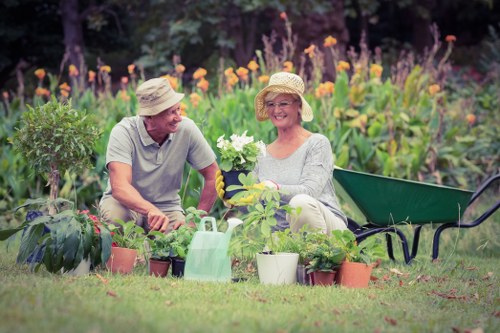 At Gardening Shortlands we place sustainability at the heart of every project. Our Recycling and Sustainability page explains how local garden waste and household green materials are managed with an emphasis on an eco-friendly waste disposal area and a sustainable rubbish gardening area. We aim to reduce landfill, create nutrient-rich compost for community plots and support borough-wide waste separation policies.
We set a clear recycling percentage target to measure progress: our ambition is to reach 65% recycling and reuse of garden and related waste within three years. That target applies to green waste, food scraps diverted to composting, and materials rehomed through charity partnerships. It is an achievable goal because we combine on-site segregation, community education and partnerships to keep resources circulating rather than sent to landfill.
 Our approach aligns with the local boroughs' approach to waste separation: kerbside food and garden waste collections, separated containers for glass, paper and plastics, and designated points for bulky items. Gardening Shortlands complements these services with on-site sorting areas where volunteers and staff separate woody biomass from soft green trimmings, bagged food waste for composting, and recyclables destined for transfer stations.
We work closely with nearby transfer stations and resource recovery centres to ensure that sorted materials travel the shortest possible distance for processing. Local transfer stations accept garden arisings, clean wood, compostable bags and recyclable plastics; we coordinate regular drop-offs and consolidate collections to lower transport emissions. Minimising vehicle miles is part of our low-carbon strategy.
Partnerships are central to what we do. Gardening Shortlands partners with local charities and community organisations to give useful materials a second life. Soft tools, plant pots, seed packets and excess seedlings are redirected to community allotments, neighborhood green projects and charities that run training programmes. These relationships expand the life-cycle of gardening resources and support social value in the area.
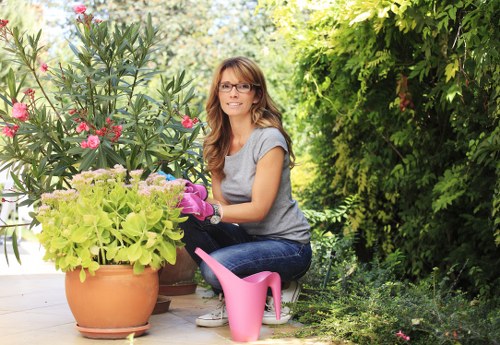 To support reuse we maintain a sustainable rubbish gardening area where items that are still functional are rehomed. This area is managed like a small reuse hub: clearly labelled bays for pots, hand tools, small furniture and plant donations. Volunteers ensure items are safe and usable before they are passed on or sold at low cost to community groups, supplementing our circular resource model.
Transport is a key operational element: our fleet includes low-carbon vans for collections and deliveries. We use electric vans for short-range runs and plug-in hybrids for longer consolidated trips to transfer stations, reducing CO2 and particulate emissions. By consolidating loads and scheduling smartly, Gardening Shortlands reduces the number of trips and the environmental impact per tonne of material moved.
On-site Recycling Activities and Community Involvement
The practical recycling activities at our site include: composting garden and food waste; shredding woody material for mulch; sorting clean plastics, glass and metal; and preparing soil mixes from recovered materials. We also run seasonal drop-off days for bulky green waste and encourage residents to use borough-provided separated bins where appropriate.Our education programme—run in collaboration with local environmental groups—teaches householders how to separate waste effectively, how to reduce contamination and how to use compost produced by Gardening Shortlands. Behaviour change is essential: even simple acts like rinsing recyclables and removing non-compostable liners significantly increase recovery rates.
Goals, Monitoring and Community Targets
We publish quarterly performance updates showing tonnes diverted, reuse items rehomed and transport emissions saved through consolidated collections. Our recycling percentage target (65%) is tracked and supported by measurable actions: increasing community drop-offs, expanding charity partnerships and improving on-site sorting quality to reduce contamination.Key initiatives include subsidised compost bins for residents, communal green waste bays at community plots and periodic bulky green waste collection events. We also work with borough waste teams to ensure our operations complement municipal services rather than duplicate them, and to align with local recycling guidelines.
 Our sustainability plan covers energy use, water conservation and low-impact materials for on-site structures. Solar-powered workshops, rainwater harvesting for irrigation and recycled timber for raised beds are examples where we apply low-carbon thinking to everyday gardening operations. These measures lower operational emissions and demonstrate practical reuse solutions.
 Looking ahead, Gardening Shortlands will increase its network of charity partners, including organisations that run training programmes, community kitchens and reuse social enterprises. By creating vetted pathways for reusable items and organic matter, we aim to support the local circular economy and deliver social and environmental benefits.
To summarise: Gardening Shortlands combines an eco-friendly waste disposal area, a sustainable rubbish gardening area, local transfer station cooperation, charity partnerships and a low-carbon van fleet to meet a strong recycling target. Our varied recycling activities align with the boroughs' waste separation policies and help keep more material in productive use.
Join the effort by using your borough's separated bins, bringing usable garden items to our reuse area, and choosing low-waste gardening practices. Together—residents, charities, borough services and Gardening Shortlands—can make a measurable difference in reducing waste, cutting emissions and nurturing greener communities.