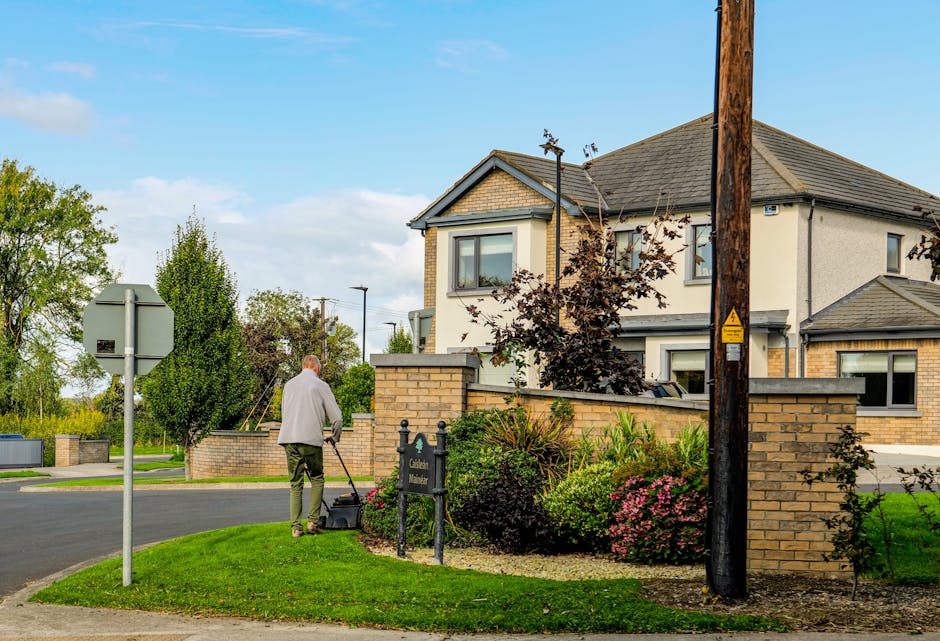
Shortlands Village garden maintenance local gardeners guide
If you live in Shortlands Village, you already know the garden can change character fast. One week it looks tidy and calm; the next, the lawn is shaggy, the hedge has thrown out a few unexpected inches, and that one border near the fence is suddenly more weed than flower bed. This Shortlands Village garden maintenance local gardeners guide is here to make the whole thing feel manageable again. Whether you want a one-off tidy-up or regular help from local gardeners, the aim is simple: keep the garden healthy, neat, and pleasant to use without turning every weekend into a chore.
In practical terms, good garden maintenance is less about grand redesigns and more about consistent, sensible care. It covers mowing, edging, hedge trimming, pruning, clearing leaves, feeding soil, managing weeds, and spotting small issues before they become awkward ones. That sounds straightforward enough, and to be fair, most of it is. The trick is knowing what needs doing, when it needs doing, and when a local gardener can save you time, hassle, and a few avoidable mistakes.
Below, you'll find a clear guide to how garden maintenance works in Shortlands Village, what to expect from local gardeners, the benefits of regular care, and how to decide what type of support is right for your garden. No fluff. Just the useful bits.
Table of Contents
- Why Shortlands Village garden maintenance local gardeners guide Matters
- How Shortlands Village garden maintenance local gardeners guide Works
- Key Benefits and Practical Advantages
- Who This Is For and When It Makes Sense
- Step-by-Step Guidance
- Expert Tips for Better Results
- Common Mistakes to Avoid
- Tools, Resources and Recommendations
- Law, Compliance, Standards, or Best Practice
- Options, Methods, or Comparison Table
- Case Study or Real-World Example
- Practical Checklist
- Conclusion
- Frequently Asked Questions
Why Shortlands Village garden maintenance local gardeners guide Matters
Shortlands Village has a particular feel to it. Gardens here are often visible from the street, tucked behind period homes, or framed by mature planting that gives a property real character. That is great for kerb appeal, but it also means neglect shows quickly. A patchy lawn or an overgrown hedge can make an otherwise lovely house feel tired. A tidy, well-kept garden does the opposite. It quietly lifts the whole property.
Garden maintenance matters because gardens are living spaces. They respond to weather, shade, foot traffic, soil condition, and simple time passing. Leave things unchecked for long enough and you can end up with compacted turf, a thatchy lawn, woody shrubs, clogged beds, and more work than you expected. A local gardener helps you stay ahead of that curve. In our experience, the difference between a garden that always feels "nearly under control" and one that genuinely feels easy is usually regular maintenance, not one heroic clean-up once a year.
There's also a comfort factor. A garden that is maintained properly is easier to enjoy. You notice it on a quiet morning with a coffee, or when the kids want to play on the lawn without dodging weeds and uneven tufts. It sounds small. It isn't. People often underestimate how much a calm, orderly garden changes daily life.
And then there's the practical side. Neat planting beds reduce hiding places for pests. Proper pruning improves airflow and can reduce disease pressure. Regular mowing keeps lawns thicker and more resilient. None of that is glamorous, but it all adds up.
How Shortlands Village garden maintenance local gardeners guide Works
Garden maintenance usually starts with a walkthrough. A local gardener will look at the garden as a whole, not just the obvious problem spots. That means checking grass condition, hedge growth, border density, tree branches, access, and how the space is used. A family garden with pets needs a different rhythm from a low-maintenance front garden or a shaded side return that struggles to dry out.
Once the garden is assessed, maintenance can be arranged in a few different ways. Some people prefer a one-off visit to restore order. Others choose weekly, fortnightly, or monthly visits. There's no single right answer. It depends on the pace of growth, your time available, and how polished you want the space to look.
Typical garden maintenance tasks include:
- lawn mowing and strimming
- edge cutting and border definition
- hedge trimming and shaping
- deadheading and light pruning
- weed removal from beds, paths, and patios
- leaf collection and seasonal clear-up
- plant tidying and general waste removal
- basic soil and plant health checks
Some gardens need a little extra help. If you have a larger plot, older shrubs, or awkward corners that collect debris, a maintenance plan may be paired with regular lawn mowing, hedge trimming, or even a broader garden clearance visit before settling into routine care.
Good gardeners don't just cut things back and disappear. They notice patterns. For example, if one corner is always damp, or the same shrub keeps crowding a path, they will flag it. That kind of observation is worth a lot. It prevents repeat problems. And let's face it, no one wants to keep paying to fix the same issue every few weeks.
Key Benefits and Practical Advantages
The obvious benefit is appearance, but that's only the start. A well-maintained garden is easier, safer, and cheaper to keep under control over time. That may sound slightly boring. It is, in a good way.
1. Better kerb appeal
In Shortlands Village, first impressions matter. A smart front garden can lift the entire property. Clean lines, healthy turf, and neat hedges create a sense of care before anyone even reaches the door.
2. Healthier plants and lawns
Regular maintenance supports plant health. Lawns benefit from even cutting and sensible feeding. Shrubs respond better to timely pruning. Beds stay more breathable and less crowded, which helps reduce stress on plants.
3. Less overwhelm
One of the biggest benefits, honestly, is psychological. A garden can become a background worry if you keep meaning to tackle it but never quite do. Regular visits remove that mental clutter. The space stops "waiting" for you.
4. Fewer costly catch-up jobs
Overgrowth is expensive in time and effort. A garden that is consistently maintained usually needs fewer major interventions later. A hedge that is trimmed regularly stays manageable. A lawn that is mown properly tends to look better with less rescue work.
5. More usable outdoor space
People often rediscover their gardens after maintenance. Suddenly there's room to sit, play, or just stand outside in the evening light without feeling embarrassed by the weeds. That's a real gain, not just a visual one.
6. Safer, tidier access
Overgrown paths, slippery leaves, loose branches, and hidden debris can all be annoying or risky. Routine upkeep reduces those issues, especially in wetter months when surfaces get slick and debris builds up quickly.
Expert summary: the best maintenance is regular enough to prevent problems, but light enough to avoid overworking the garden. Small, steady care almost always beats occasional panic.
Who This Is For and When It Makes Sense
This guide is useful for a wide range of people in Shortlands Village. Some have neat gardens that only need a light touch. Others have become a bit too busy to stay on top of things. Both groups benefit from the same idea: ongoing maintenance tailored to the space, not a one-size-fits-all approach.
You may need local garden maintenance if:
- the lawn grows faster than you can keep up with
- hedges are starting to block light or spill over boundaries
- weeds keep returning no matter how often you pull them
- you want the garden presentable for guests, tenants, or buyers
- you've just moved in and the garden needs bringing back under control
- you travel a lot or work long hours and simply don't have the time
- you find certain tasks physically awkward, heavy, or unsafe to do alone
It also makes sense if you own a property with recurring seasonal jobs. Spring growth, summer mowing, autumn leaf clearance, and winter tidying all ask different things from a garden. The calendar matters. A good local gardener understands that rhythm and plans around it.
Some homeowners only need occasional help. Others like the steady reassurance of a regular visit. There's no shame in either. In fact, one of the smartest decisions is asking for help before the garden gets out of hand. That's the point where the work becomes less gardening and more recovery mission.
Step-by-Step Guidance
If you want to keep a garden manageable, a simple process works best. You do not need a complicated system. You need a repeatable one.
- Walk the garden with fresh eyes. Look for long grass, weeds, sagging shrubs, blocked drains, leaf build-up, and areas that always get messy first.
- Separate urgent tasks from routine tasks. For example, a fallen branch or a hedge blocking a path may need attention before regular bed tidying.
- Decide what you can reasonably do yourself. Be honest here. If you enjoy mowing but hate hedge work, that's useful information, not a failure.
- Book the right kind of maintenance. A one-off tidy, regular visits, or a wider package all suit different situations.
- Set a realistic schedule. Gardens change quickly in peak growing periods. A fortnightly visit may be enough in one season and too slow in another.
- Keep communication simple. Tell the gardener what you want kept neat, what can be cut back, and what should be left alone.
- Review the results after a few visits. If the garden still gets away from you, adjust frequency or scope before frustration builds.
That last step gets overlooked more often than you'd think. People arrange maintenance, then never revisit the plan, even when the garden is clearly asking for more or less intervention. It's a little thing, but it makes a huge difference.
If the garden needs broader improvements, you may want to combine maintenance with landscape gardening or landscaping work so the layout itself becomes easier to maintain. A better design often saves time every single month after that.
Expert Tips for Better Results
Here are the habits that usually separate a tidy garden from a constantly drifting one.
Keep the grass slightly higher in dry spells. A very low cut may look crisp for a day, but it can stress the lawn. In warmer, drier weather, a modest height is often kinder.
Trim hedges before they become a nuisance. If branches are brushing walkways or covering windows, the hedge is already telling you something. Don't wait until it becomes a full reshaping job.
Mulch where you can. A mulch layer helps soil hold moisture and can suppress weeds. It also makes beds look finished, which is no bad thing.
Do a quick monthly reset. Even with regular gardener visits, spend ten minutes checking gutters, drains, edges, and corners where debris collects. Those are the bits everyone forgets.
Think in seasons, not days. Spring growth, autumn leaves, and winter pruning each bring different priorities. A garden that looks "fine" in June may need a completely different approach in October.
Be careful not to over-prune. Some shrubs respond badly if cut back too hard or at the wrong time. If in doubt, it's better to ask than to hack away and hope for the best. Gardening can be forgiving, but not always immediately. Nature has a memory, annoying as that is.
Choose gardeners who explain what they're doing. Clear communication matters. You want someone who can tell you why they recommend a certain cut, not just do it because they can.
Common Mistakes to Avoid
Most garden maintenance problems are not dramatic. They are the result of small, repeated misjudgements. Easy to do. Easy to fix, usually.
- Leaving too much until it becomes urgent. A week or two of delay can be fine. Months can turn tidy work into clearance work.
- Cutting everything back at once. Hard pruning without a plan can shock plants and make borders look bare for too long.
- Ignoring the lawn edge. A neat lawn looks much better when edges are crisp. Sloppy edges make the whole garden feel unfinished.
- Using the wrong frequency. A once-a-month visit may be enough in winter but nowhere near enough in peak growing season.
- Assuming all weeds are equal. Some are easy to remove if caught early; others need persistence. Let them establish and the job becomes far less pleasant.
- Forgetting access and waste removal. If cuttings, branches, or bags of debris have nowhere to go, tidy work quickly loses its appeal.
A surprisingly common mistake is focusing only on what you can see from the house. The side return, back fence, and deeper planting beds often tell the real story. If those areas get ignored, the garden slowly slips back, even when the visible bits look okay.
Tools, Resources and Recommendations
You do not need a shed full of expensive kit to maintain a garden properly, but the right tools make the job cleaner and quicker. Local gardeners usually bring professional equipment, yet it helps to understand what is commonly used and why.
| Task | Common tool or method | Why it matters |
|---|---|---|
| Lawn mowing | Professional mower, strimmer, edging tool | Creates even cuts and sharper borders |
| Hedge trimming | Hedge trimmer, hand shears for detail | Keeps growth controlled without ragged ends |
| Weed control | Hand weeding, hoe, mulching | Reduces regrowth and protects beds |
| Leaf clearance | Rake, blower, collection bags | Prevents slipping and keeps lawns breathing |
| Light pruning | Secateurs, loppers, saw where appropriate | Helps shape plants without unnecessary damage |
If your garden is mostly maintenance rather than renovation, that's a good sign. You may only need periodic support rather than heavier work. But if the outdoor space has become cluttered or badly overgrown, a one-off reset through garden clearance can make routine maintenance much more effective afterwards.
It also helps to look for service information that is transparent and easy to understand. Pages such as services overview, pricing and quotes, and about us can give you a clearer feel for how a company works before you book anything. That kind of clarity matters. People sometimes skip it, then wonder why expectations and reality don't line up. A very normal human mistake, that one.
Law, Compliance, Standards, or Best Practice
Garden maintenance is not usually a heavily regulated service in the way some trades are, but there are still sensible standards and responsibilities to keep in mind. If work involves ladders, power tools, trees, green waste removal, or access near boundaries and public paths, it should be carried out carefully and with appropriate safety awareness.
Best practice usually includes:
- using suitable personal protective equipment where needed
- working safely around tools, slippery surfaces, and uneven ground
- handling waste responsibly and separating recyclable material where possible
- respecting neighbour boundaries, access routes, and shared spaces
- checking that any tree-related work is approached cautiously and only when appropriate
If you are comparing providers, it is sensible to ask about safety, insurance, and working practices. A professional gardener should be comfortable explaining how they manage risk. You can also look for useful company information such as health and safety policy, insurance and safety, and recycling and sustainability. Those pages are not just box-ticking. They tell you something about how the business thinks.
For tree-related issues, caution is especially important. Branches near buildings, fences, or power lines can create risk, and larger work is not something to improvise. If tree care is part of the job, a service such as tree lopping and removal should only be used where it is genuinely suitable for the situation. Truth be told, the safest garden work is often the work done slowly and with a clear plan.
Options, Methods, or Comparison Table
Different gardens need different kinds of help. The main choice is usually between doing the work yourself, booking occasional help, or arranging regular maintenance. Here's a practical comparison.
| Option | Best for | Pros | Watch-outs |
|---|---|---|---|
| DIY maintenance | Small gardens, confident owners, light upkeep | Low direct cost, full control, flexible timing | Easy to fall behind, time-consuming, equipment needed |
| One-off visit | Resetting an overgrown or untidy garden | Fast improvement, useful before events or viewings | Problem can return if not followed by routine care |
| Regular local gardener | Busy households, larger gardens, recurring growth | Consistent standards, less stress, better long-term control | Requires ongoing budget and clear communication |
Which option is best? Usually the one you will actually keep up with. That sounds obvious, but it really is the deciding factor. A perfect plan that never happens is worse than a simple routine you can sustain.
For some households, a mix works well. You might handle light jobs between visits, while a local gardener covers mowing, hedge trimming, and seasonal tidying. It's flexible, and it often keeps costs sensible without letting the garden slide.
Case Study or Real-World Example
Consider a typical Shortlands Village back garden: a medium-sized lawn, a pair of hedges, mixed borders, and a patio that gathers leaves in autumn. On paper, it sounds manageable. In reality, if the household is busy, the lawn gets cut later than planned, the hedge starts shading the path, weeds creep through the beds, and the patio becomes a bit of a leaf trap after one windy week.
In that kind of garden, the turning point is usually a first tidy-up followed by routine visits. The initial visit clears the immediate clutter, defines the edges, and brings the space back to a baseline. After that, a maintenance rhythm keeps it there. The gardener mows, trims, weeds, and checks the trouble spots before they grow into bigger jobs. The homeowner notices the difference immediately, but more importantly, the garden stays easier. It stops asking for emergency attention every time the weather changes.
One memorable thing about gardens like this is how quickly people start using them again. A chair comes out. The patio gets washed down. Somebody actually stands in the garden in the evening and enjoys it. That small shift matters. It means the maintenance is doing its job.
Practical Checklist
Use this checklist if you want to judge whether your garden is on track or needs support from local gardeners.
- Is the lawn growing at a pace you can comfortably manage?
- Are hedge lines neat enough not to block light or pathways?
- Do weeds keep reappearing in the same places?
- Are borders defined, or have plants started to spill everywhere?
- Is leaf build-up being cleared before it becomes slippery or messy?
- Do you know which jobs are seasonal and which are ongoing?
- Have you identified any awkward corners, tree issues, or access problems?
- Are garden waste and cuttings being dealt with properly?
- Would a regular schedule save you time and stress?
- Do you want the garden to look tidy, functional, or fully polished?
If you ticked several "no" boxes, that doesn't mean the garden is in trouble. It just means it would benefit from a clearer maintenance plan. Which, honestly, is where most good gardens start.
Get a free quote today and see how much you can save.
Conclusion
Shortlands Village gardens do best with steady, thoughtful care. Not fuss. Not overcomplication. Just regular attention from someone who understands what each season does to grass, hedges, beds, and borders. This Shortlands Village garden maintenance local gardeners guide has hopefully shown that good maintenance is about preventing problems, not constantly chasing them.
If you want a garden that stays pleasant to use, looks cared for from the street, and doesn't demand all your spare time, local gardeners can make a real difference. The key is choosing a schedule and service level that fits your space and your life. Once that's in place, the whole thing becomes much easier. A bit quieter, too. And that's a lovely thing to have just outside your door.
Frequently Asked Questions
What does garden maintenance usually include?
Garden maintenance commonly includes lawn mowing, hedge trimming, weeding, edging, pruning, leaf clearance, and general tidying. The exact mix depends on the garden and the season.
How often should a garden be maintained in Shortlands Village?
It depends on the size of the garden, how fast it grows, and how tidy you want it to look. Many gardens benefit from fortnightly or monthly visits during the growing season, with lighter attention in colder months.
Is a one-off tidy enough?
Sometimes, yes. If the garden has just drifted a little, a one-off visit can reset it. If growth is steady or the space is used heavily, regular maintenance usually works better over time.
Can local gardeners help with overgrown hedges?
Yes, hedge trimming is one of the most common maintenance tasks. If the hedge has become very large or unwieldy, it may need a more substantial first cut before regular shaping begins.
What is the difference between garden maintenance and garden clearance?
Garden maintenance is ongoing care to keep a garden neat and healthy. Garden clearance is more about removing heavy overgrowth, debris, or accumulated waste so the space can be brought back under control.
Do I need regular lawn mowing in winter?
Usually much less than in spring and summer. Grass growth slows in colder months, but occasional checks may still be useful depending on weather and how quickly the lawn is growing.
How do I know if my garden needs professional help?
If the same tasks keep slipping, the work feels too large to start, or you simply do not have the time, professional help is probably sensible. A garden that is always almost done is a common sign.
What should I ask a local gardener before booking?
Ask what the service includes, how often they recommend visits, how waste is handled, whether they are insured, and what they consider the priority areas in your garden.
Can garden maintenance improve kerb appeal?
Yes, very much so. Clean edges, tidy hedges, and a healthy lawn can make a property look cared for and welcoming almost immediately.
Should I combine maintenance with landscaping work?
If the garden layout makes routine upkeep difficult, then yes, that can be a smart move. A small redesign or some practical landscaping can reduce future maintenance and make the space easier to enjoy.
Is tree work part of normal maintenance?
Light pruning may be, but larger or riskier tree work is different. Anything involving bigger branches, height, or structural concerns should be approached carefully and with the right expertise.
How can I keep maintenance costs sensible?
Regular care is often more cost-effective than letting the garden deteriorate and then paying for a major catch-up. It also helps to be clear about priorities so time is spent where it matters most.
If you're ready to bring your outdoor space back into shape, start with the jobs that matter most and build from there. A well-kept garden has a way of making the rest of the house feel better too, and that never gets old.